Self build project feasibility in Lincolnshire

Before you commit to a plot, a planning application or a design team, we assess your project the way a construction company assesses its own. You get a clear view of whether the scheme is viable, what each stage will cost and where the risks actually sit.
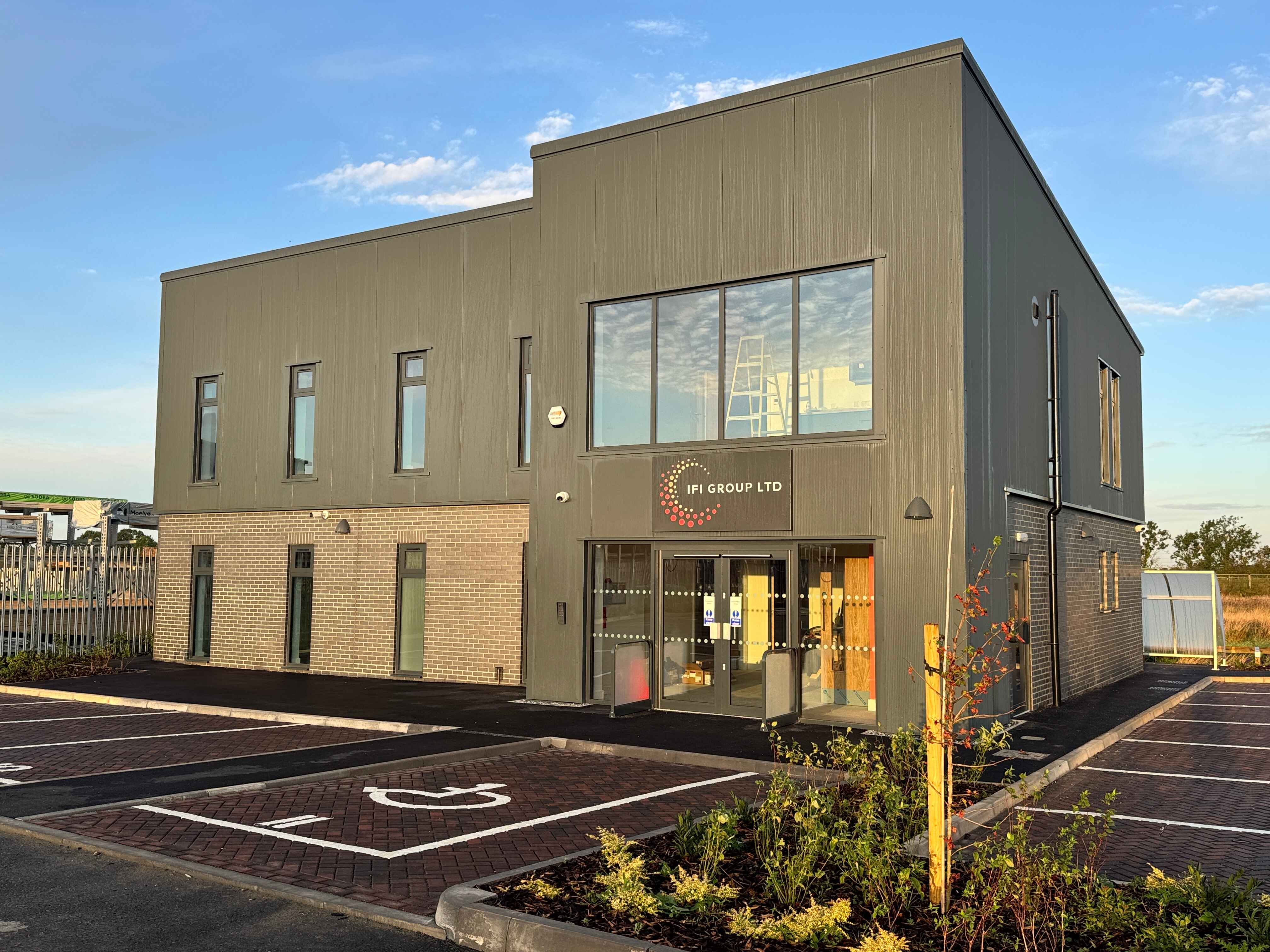
Build Manager office building exterior in Saxilby, Lincoln
New build commercial offices under construction in Saxilby, Lincolnshire

Know the number before you commit to it

Self builds rarely fail because of one bad decision. They fail because a plot was bought on an optimistic figure, a design team was appointed before anyone knew what the ground was like, and by the time the real cost appeared there was too much already spent to walk away. A feasibility study puts that number in front of you at the only stage where you can still act on it freely. Land, construction, professional fees, finance, contingency and the abnormals specific to your site, assessed properly and set against what you can actually spend.

Assessed by people who have done it themselves

Both our directors have completed their own self builds, one of them within budget, so this is not theoretical. Combine that with seventeen years of pre-construction experience producing feasibility studies and budget cost plans for main contractors, and you get an honest assessment rather than an encouraging one.
SSIP Logo
Contstructionline Badge
PQS SSIP
SSIP Logo
Contstructionline Badge
PQS SSIP
SSIP Logo
Contstructionline Badge
PQS SSIP
SSIP Logo
Contstructionline Badge
PQS SSIP
SSIP Logo
Contstructionline Badge
PQS SSIP
SSIP Logo
Contstructionline Badge
PQS SSIP
New build commercial offices and warehouse development in Lincoln

Thinking about a self build?

Whether you have found a plot, are choosing between two, or are simply working out whether the whole idea is affordable, we would be glad to talk it through. Tell us about the site and what you have in mind and we will give you a straight answer.

Common questions about self build feasibility

Not sure whether your project stacks up, or what it will really cost from plot to moving in? Here are the questions self builders ask us most across Lincoln and Lincolnshire.
What does a feasibility study actually tell me?

Whether the project works financially, and where the pressure points are. We assess the land cost, construction cost, professional fees, statutory costs, finance and a realistic contingency against the value and the budget available. The output is a stage by stage picture of what you will need to spend and when, plus a clear list of the risks that could move those numbers.

When should I do this?

Before you buy the plot if at all possible, and certainly before you appoint a design team. Those two commitments are where most of the early money goes, and both are far harder to reverse than a feasibility study is to commission. Plenty of people come to us after planning is approved and discover the scheme was never going to work at the budget they had.

Can you tell me whether a plot is worth buying?

We can tell you what it is likely to cost to build on, which is usually the deciding factor. Access, ground conditions, services, drainage, levels and planning constraints all affect the build cost significantly, and two plots at the same asking price can differ by six figures once you account for them. We are not land agents, but we can tell you what you would be taking on.

How accurate can a cost be this early?

Broad, but reasoned, and that is the honest answer. Early figures carry ranges rather than false precision, with the assumptions written down so you can see what would change them. What matters is that the number is grounded in what building actually costs in Lincolnshire right now, not a national average per square metre, which is where most early self build budgets go wrong.

What are the risks you typically find?

Foundations are the most common, because ground conditions are the biggest unknown on any plot. After that: service connections that are further away or more expensive than assumed, drainage that cannot go where the design wants it, access constraints, planning conditions carrying real cost, and specification creep once the project is underway. Each is manageable if identified early and expensive if not.